The Hidden Workforce Crisis Behind NYC's Clean Transit Push
NYC fleets are getting EVs. But it doesn't yet have the people to keep them running.

NYC’s clean-transit push has spent five years getting the vehicles right. The funding is real. The financing is real. The charging infrastructure is finalizing. Every piece of the deployment story is now in motion.
What’s missing — and missing structurally — is the workforce that will operate, maintain, and install all of it.
This isn’t a temporary hiring gap. It’s the under-discussed layer of the transition, and it sits beneath every electrified fleet that NY State is now paying to put on the road.
What’s Happening
Three workforce categories sit beneath every clean-transit deployment, and each one is structurally constrained — though not in the way most people assume.
The drivers who move the vehicles. Most need a commercial license — CDL Class A, B, or C, with passenger endorsements depending on the vehicle. The CDL pipeline has been tight for over a decade, and the demands of clean-transit growth are pulling against an already-shrinking supply.
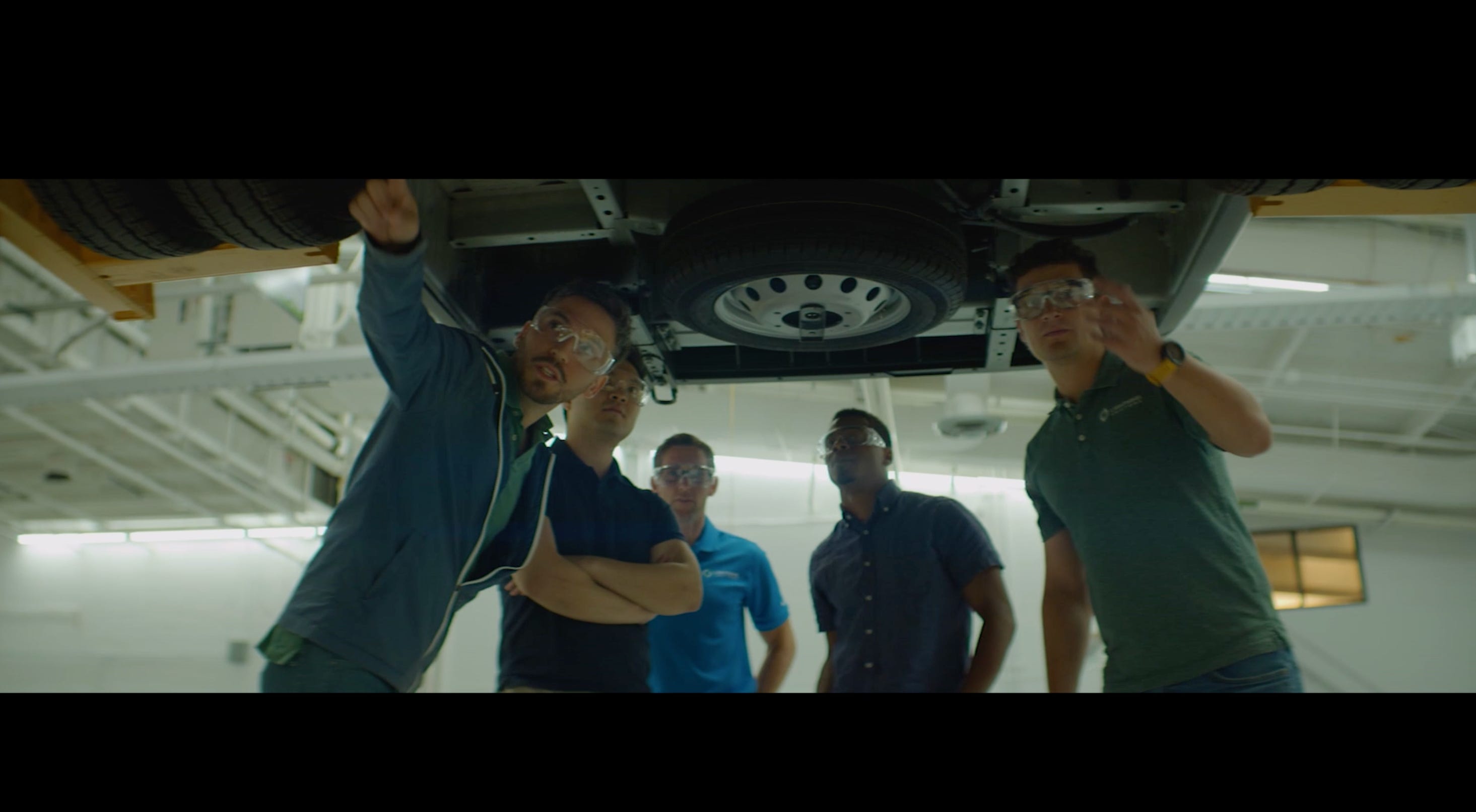
The mechanics who service them. EV powertrains require different diagnostic tools, different safety training, and in many cases manufacturer-specific certifications. Most existing small-fleet shops are diesel-trained. The transition to EVs isn’t just a vehicle swap; it’s a skill swap. And the bottleneck isn’t entry-level techs — it’s high-skill diagnostic capability. EV repair shops we’ve interviewed report that filling an A-tech role can take up to a year.
The EVSE installers who build the charging infrastructure. Most EVSE developers don’t hire installers in-house at all — they scale install capacity through partner installer networks. That means the workforce pressure flows through the install-partner layer, not the developer’s HR, and the constraint shows up as install lead-time and capacity ceilings rather than as posted job openings.
Through CTAP’s workforce-development track — part of the $10M NYSERDA initiative — and a parallel Con Edison-led employer outreach across the EVSE and EV-repair side of the industry, we’ve interviewed employers across the EVSE-development, EV-repair, and electrical-contracting trades in the NYC region. The signal is more nuanced than “we need more people.”
Hiring outlook is demand-driven and uneven: some employers are aggressively backfilling, others are sized for a steady drip. But the constraint that shows up across employer types is the same — high-skill roles are the consistent bottleneck. Project and construction management capacity. Licensed engineering pipeline (FE/PE pathway). Diagnostic-level technicians who can troubleshoot an EV powertrain without a vendor on the phone.
And behind that: no trusted, centralized EV repair or installer certification pathway exists at scale in the region. EVITP is “a significant plus” for EVSE installers, but isn’t a standardized requirement. ASE is the legacy standard for techs, but doesn’t yet reflect EV-first practice. Multiple employers we spoke with are independently proposing the same thing: an EV-first academy or certification standard. Nobody has built it yet.
Why It Matters
This is a problem with three interlocked constituencies.
For agencies and funders. Every dollar going into vehicles and charging depends on a workforce that doesn’t yet exist at scale. Fleet electrification programs that hit their vehicle deployment targets but stall on operations are the most expensive way to fail. The current funding architecture treats workforce as a downstream consequence of deployment. The reality is the inverse: deployment without workforce is a depreciating asset.
For training partners and educators. The demand signal is clear, but the funding tools to scale training capacity haven’t kept pace with the deployment side. There’s a public budget for the bus. There isn’t yet a public budget — at the same scale — for the people who will keep the bus running. The structural mismatch between vehicle funding and workforce funding is the constraint nobody is talking about loudly enough.
For operators. The workforce gap is a quiet ceiling on fleet growth. You can buy the vehicle, finance the lease, install the charger — and still be unable to scale because you cannot reliably hire and retain the people the fleet needs. We wrote about that side of the problem in this week’s operator-facing companion piece.
What’s Next
Dollaride sits at the intersection of vehicle deployment and workforce. Through CTAP, we’re connecting employer demand to training programs that produce job-ready candidates — drivers, mechanics, EVSE installers — at the scale fleet electrification requires. Not because workforce is our product. Because none of the rest of it works without it.
In the coming weeks, we’ll be sharing more on specific employer needs, training-partner gaps, and the policy mechanisms that will need to evolve if New York is going to convert its clean-transit investment into operational, durable fleet capacity.
Quick Hits
EV work isn’t mystical. Several employers we interviewed flagged that the actual skill gap isn’t EV-specific knowledge — it’s credible field experience plus electrical fundamentals plus real-world trade credibility. The training that’s missing isn’t theory. It’s practitioner-led delivery.
The credentialing landscape is fragmented. OSHA 10/30 and NEC-aligned electrical experience are universal. EVITP comes up as “a plus” on the EVSE side. ASE is the legacy mechanic standard. There is no widely-recognized EV-first credential that an employer would treat as plug-and-play.
EVSE install capacity is a partner-network story. The workforce pressure on the install side doesn’t show up as developer hiring — it shows up as capacity ceilings on the installer-partner networks that deliver the work. Funding mechanisms that target only direct employer hiring will miss this.
NYSERDA’s workforce-development track within CTAP is one of the few state programs explicitly tying clean-transit funding to training-pipeline development. Worth watching.
One Thing to Think About
We are very good at counting vehicles. We are not yet good at counting the people behind them.
That measurement gap is the first thing that has to change.
Until next time, The Dollaride Team
P.S. If you work in workforce development, training, policy, or labor in clean transit, we’d value comparing notes. Contact us — we’re collecting signal across the ecosystem and learning fast.
Prepared by Dollaride with Claude.